Executive Summary: Concurrent delay occurs when independent delays attributable to different parties overlap and affect the project’s critical path. Under Florida law, neither the contractor nor the owner automatically prevails. Courts may examine whether each party’s delay affected completion, whether the delays can be separated, what damages can be proven, and what the contract says about notice and delay claims.
A construction project finishes three months late. The contractor points to late design decisions and owner changes. The owner points to staffing problems and subcontractor delays during the same period. Both sides may be right. That does not mean either side automatically gets paid.
These cases involve concurrent delay, one of the harder issues to prove in a construction dispute. When owner-caused and contractor-caused delays overlap, the outcome often depends less on identifying who caused a delay and more on proving which events actually controlled the project’s completion date.
What Is Concurrent Delay?
Concurrent delay generally occurs when two independent delays happen during the same period, and each affects the project’s critical path. One delay may be the owner’s responsibility while another is the contractor’s.
For example, an owner might be late approving a design change during the same period that a contractor is behind on critical structural work. If either problem would have delayed project completion on its own, the parties may have a concurrent delay dispute.
Simply showing that two problems happened at the same time is not enough. The effect of each event on the actual project schedule must be established.
Why the Critical Path Is So Important
The critical path is the sequence of activities that controls the project’s completion date. A delay to noncritical work may cause inconvenience without extending the overall project.
That distinction is central to many delay claims. A contractor seeking compensation generally needs to connect an owner-caused event to a delay in project completion and resulting costs. Likewise, an owner seeking liquidated or actual delay damages must be prepared to establish that the contractor caused the relevant delay.
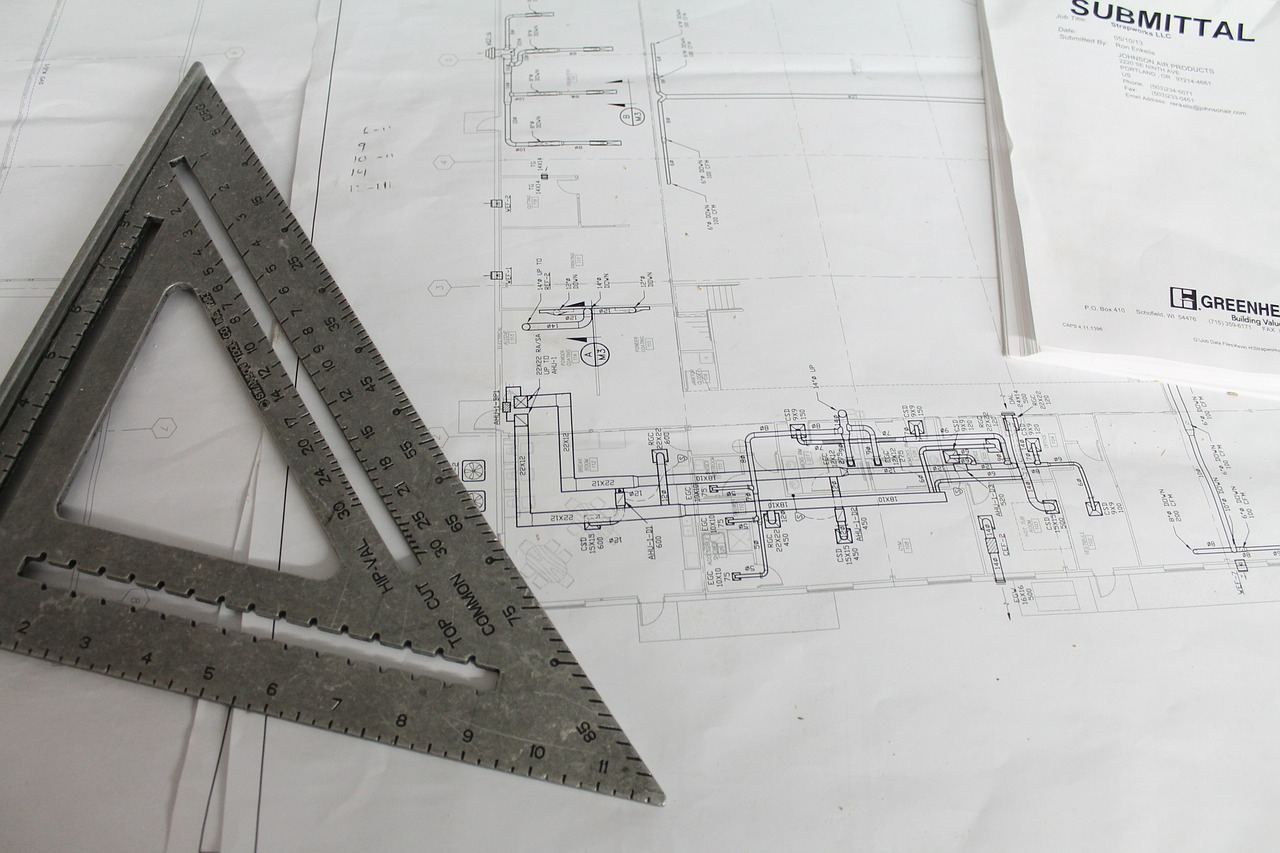
This often requires reviewing baseline schedules, schedule updates, daily reports, change orders, RFIs, correspondence, and other project records.
Who Recovers When Both Parties Caused Delay?
There is no universal rule that says the contractor or owner always wins a concurrent delay case. The contract, evidence, and specific periods of delay all affect the result.
Florida courts have recognized the difficulty of awarding delay damages when both sides contribute to a project’s late completion. In Gesco, Inc. v. Edward L. Nezelek, Inc., 414 So. 2d 535 (Fla. 4th DCA 1982), the court addressed delays attributable to both parties and the need for evidence that allows damages to be assigned to the responsible party.
If a contractor cannot separate its own delays from compensable owner-caused delays, recovering extended overhead or other delay damages may become much harder. At the same time, an owner may have trouble enforcing delay damages for a period it helped cause.
Can a Contractor Receive More Time but No Money?
Yes. This is an important distinction in construction contracts.
A delay may be excusable, meaning the contractor receives additional time and avoids liability for late completion. A compensable delay may allow both additional time and recovery of certain added costs.
Concurrent delay can result in a contractor receiving a time extension without compensation when the contractor and owner were both responsible for critical delays during the same period. The specific result will depend on the contract and the evidence.
Contract Language Can Change the Analysis
The contract should be one of the first documents reviewed in any delay dispute. Construction agreements often contain provisions covering:
- Notice of delays
- Requests for time extensions
- Liquidated damages
- No-damages-for-delay clauses
- Schedule updates
- Change orders
- Force majeure events
Florida courts generally enforce properly drafted no-damages-for-delay clauses, subject to recognized exceptions. A contractor may therefore prove that an owner caused a delay and still face contractual limits on financial recovery.
Failure to follow contractual notice procedures can create another problem. A valid delay claim can be weakened when required written notice was never provided.
Project Records Can Decide the Case
Concurrent delay disputes are document-heavy. A schedule created months after the dispute began may carry far less value than records maintained while the work was underway.
Contractors and developers should preserve schedule updates, daily reports, manpower records, meeting minutes, RFIs, design revisions, change orders, weather records, and written delay notices.
Contemporaneous records can show not only that something went wrong, but when it happened and whether it actually affected critical work.
Protect Your Position Before the Delay Becomes a Claim
Concurrent delay cases rarely turn on a single late delivery or missed deadline. They require a careful reconstruction of what happened, what the contract required, and which events actually pushed completion back. Addressing those issues while project records are still available can put a party in a much stronger position.
Florida Construction Law Group represents contractors, developers, and other parties in Florida construction disputes. If overlapping delays are creating questions about additional costs, extensions, or liability for late completion, contact us to evaluate the contract and project records before the dispute goes further.
FAQs
What qualifies as concurrent delay in construction?
Concurrent delay generally involves two independent delays occurring during the same period when each affects the project’s critical path and completion date.
Can a Florida contractor recover money for concurrent delay?
Possibly, but recovery can be difficult when the contractor also caused critical delay during the same period. The contractor may need to separate compensable owner-caused delay from its own delay and prove resulting damages.
Can an owner assess liquidated damages during a concurrent delay?
It depends on the contract and facts. An owner’s contribution to the delay can affect its ability to recover delay damages for the same period.
Does every overlapping delay count as concurrent delay?
No. Two events happening at the same time are not necessarily concurrent delays. Their effects on the project’s critical path must be examined.
What documents are useful in a concurrent delay claim?
Baseline and updated schedules, daily reports, RFIs, meeting minutes, change orders, correspondence, manpower records, and written delay notices can all be important.
What is the difference between excusable and compensable delay?
An excusable delay may provide additional time without money. A compensable delay may allow additional time and recovery of qualifying costs, depending on the contract and circumstances.